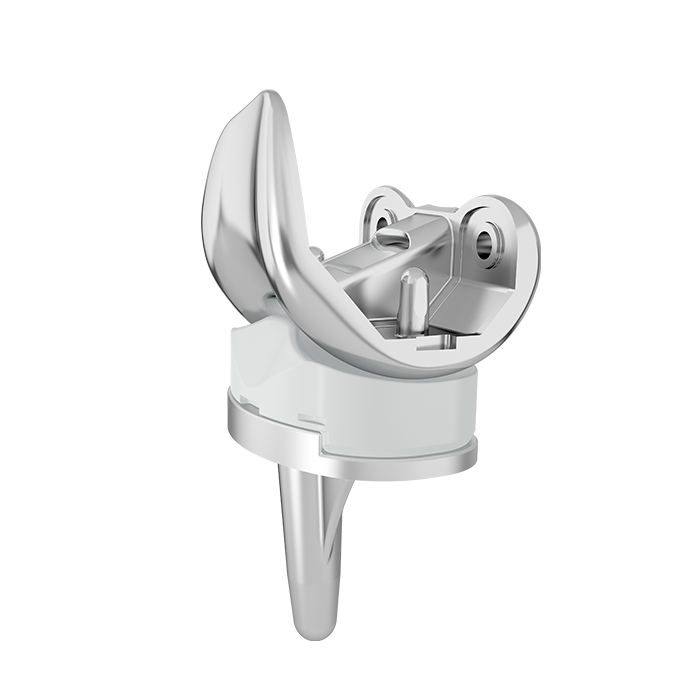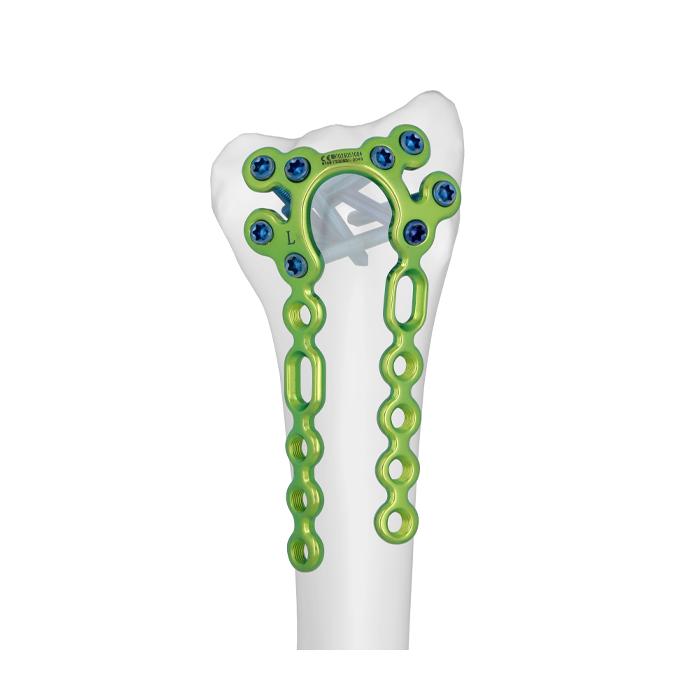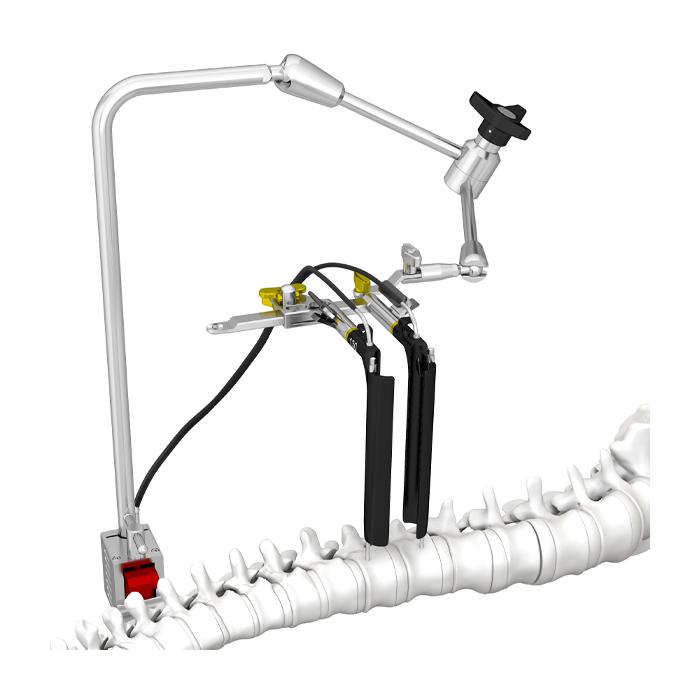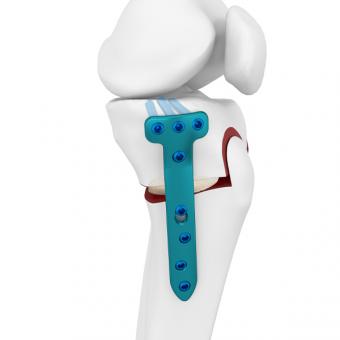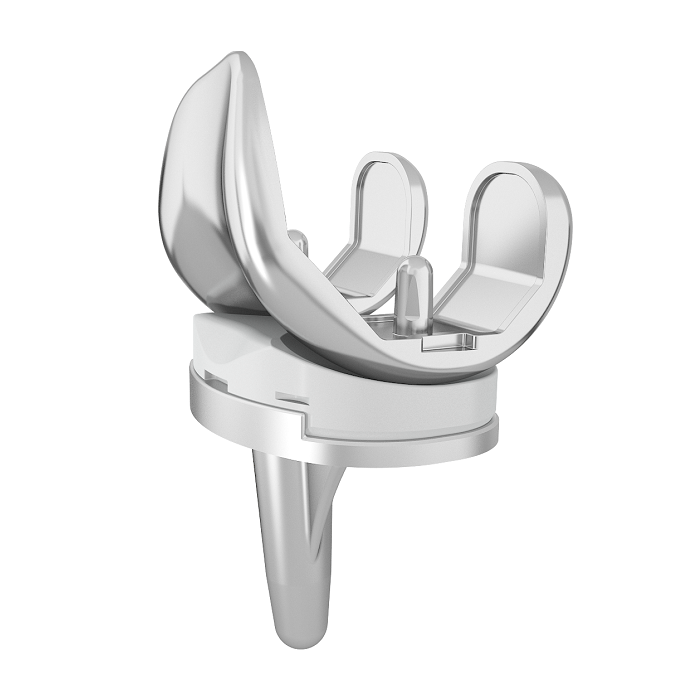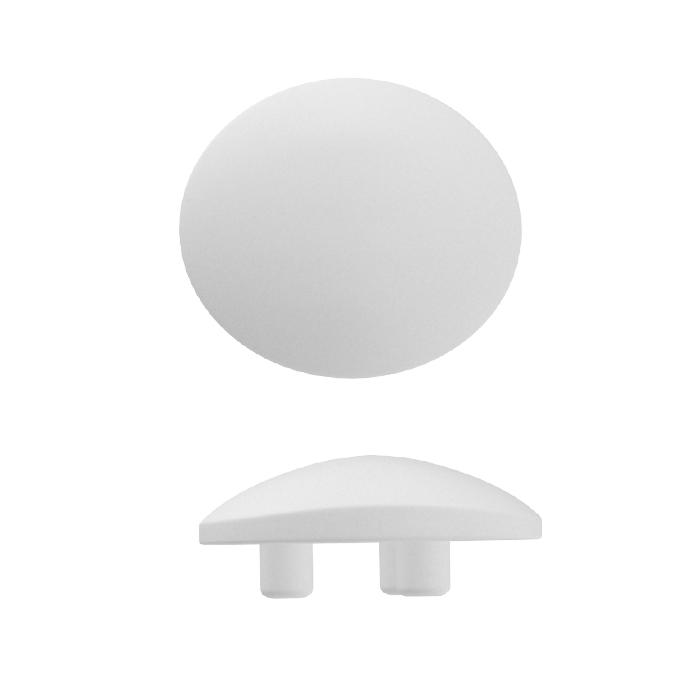
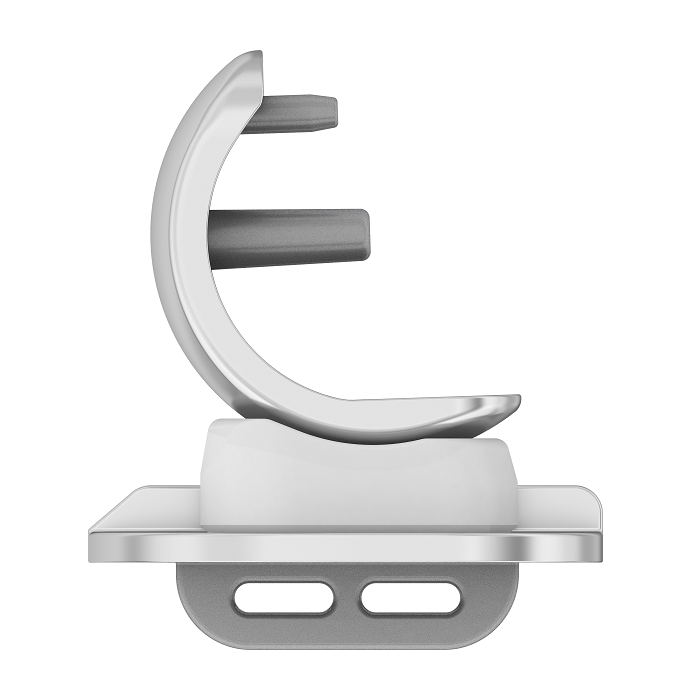
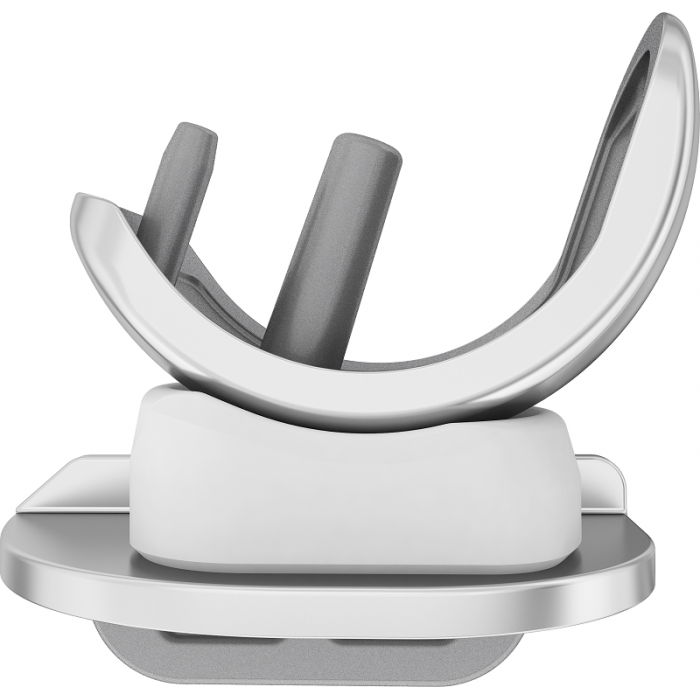
The Cynthia knee endoprosthesis system offers the surgeon a variety of implant options depending on the soft tissue tension situation and the size of the bone defect. It is a system for many indications:osteoarthritis, rheumatoid arthritis and traumatic arthritis.
Material: Titanium alloy
Specifications:
DMR ST Abutment, φ3.3×1.0mm
DMR ST Abutment, φ3.3×2.0mm
DMR ST Abutment, φ3.3×3.0mm
DMR ST Abutment, φ3.3×4.0mm
DMR ST Abutment, φ3.3×5.0mm
DMR ST Abutment, φ4.6×1.0mm
DMR ST Abutment, φ4.6×2.0mm
DMR ST Abutment, φ4.6×3.0mm
DMR ST Abutment, φ4.6×4.0mm
DMR ST Abutment, φ4.6×5.0mm
DMR ST Abutment Ⅵ, φ5.0×1.0mm
DMR ST Abutment Ⅵ, φ5.0×2.0mm
DMR ST Abutment Ⅵ, φ5.0×3.0mm
DMR ST Abutment Ⅵ, φ5.0×4.0mm
DMR ST Abutment Ⅵ, φ5.0×5.0mm
DMR ST Abutment Ⅶ, φ5.0×1.0mm
DMR ST Abutment Ⅶ, φ5.0×2.0mm
DMR ST Abutment Ⅶ, φ5.0×3.0mm
DMR ST Abutment Ⅶ, φ5.0×4.0mm
DMR ST Abutment Ⅶ, φ5.0×5.0mm
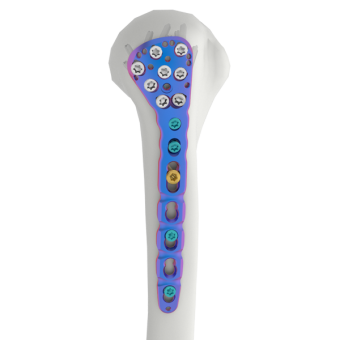
Proximal Humeral Locking Plate II is for the indication of complex fractures in proximal humerus, with multiple points of fixation with wide coverage in the humerus head provide optimal stress distribution.
These screws are cannulated design that can facilitates accurate percutaneous insertion with minimal invasion. The screws are mainly used for osteotomies, bone nonunions, and arthrodeses.